Dive Brief:
- Defense startup Hadrian has raised $1.37 billion in equity financing, bringing the advanced manufacturing company’s valuation to about $7.9 billion, according to a press release Thursday.
- The series D funding will allow Hadrian to further expand its manufacturing capacity to service the defense, aerospace and industrial systems in the United States. Plans include establishing new factories, building out research and development and adding production capabilities.
- The financing will also design a new U.S. manufacturing workforce model aimed at mixing humans with autonomous technologies. Hadrian will hire and train operators, engineers and technologists, increasing its labor pool from 700 to 2,000 over the next year, CEO Chris Power said during a media roundtable Tuesday.
Dive Insight:
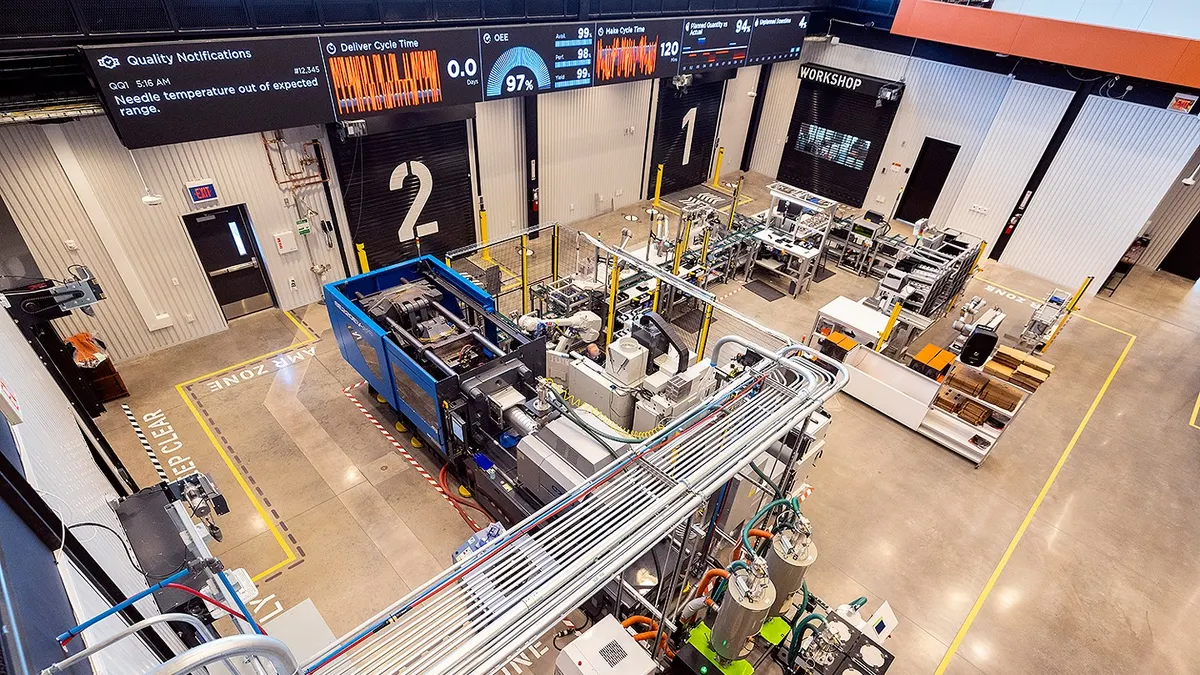
Hadrian operates a “factories as a service” model, providing fully automated manufacturing facilities powered by its artificial intelligence platform, Opus.
The software also aims to train factory technicians in 30 days or less, in an effort to address the skilled labor shortage, according to Hadrian’s website.
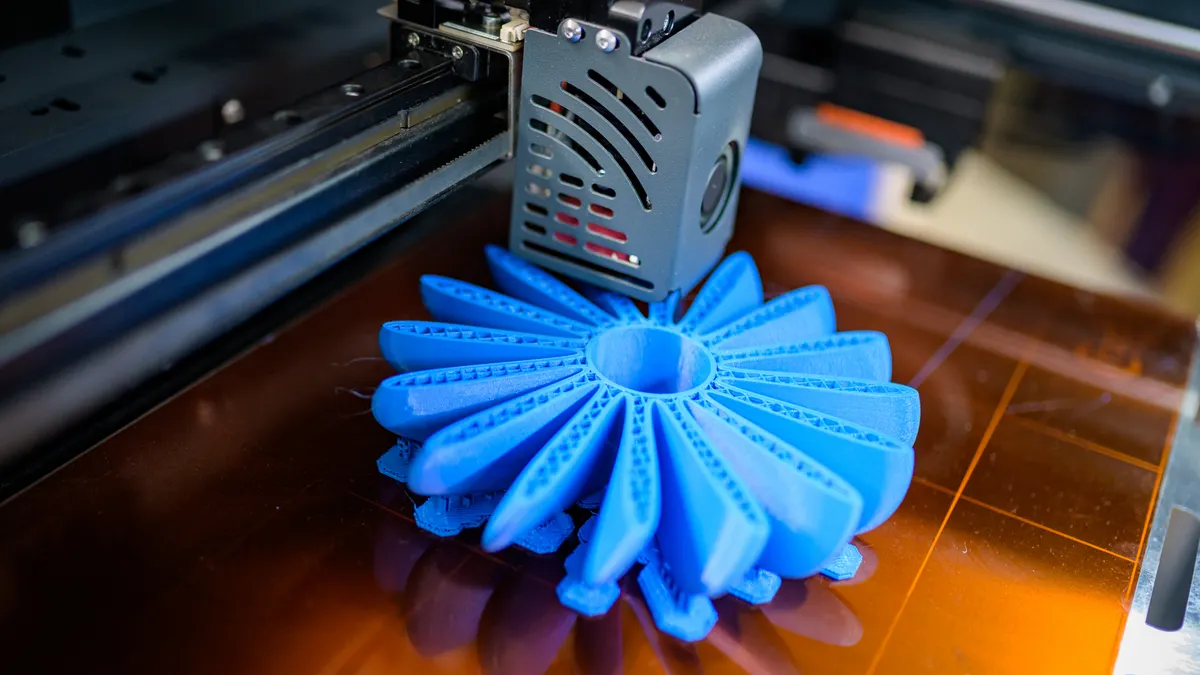
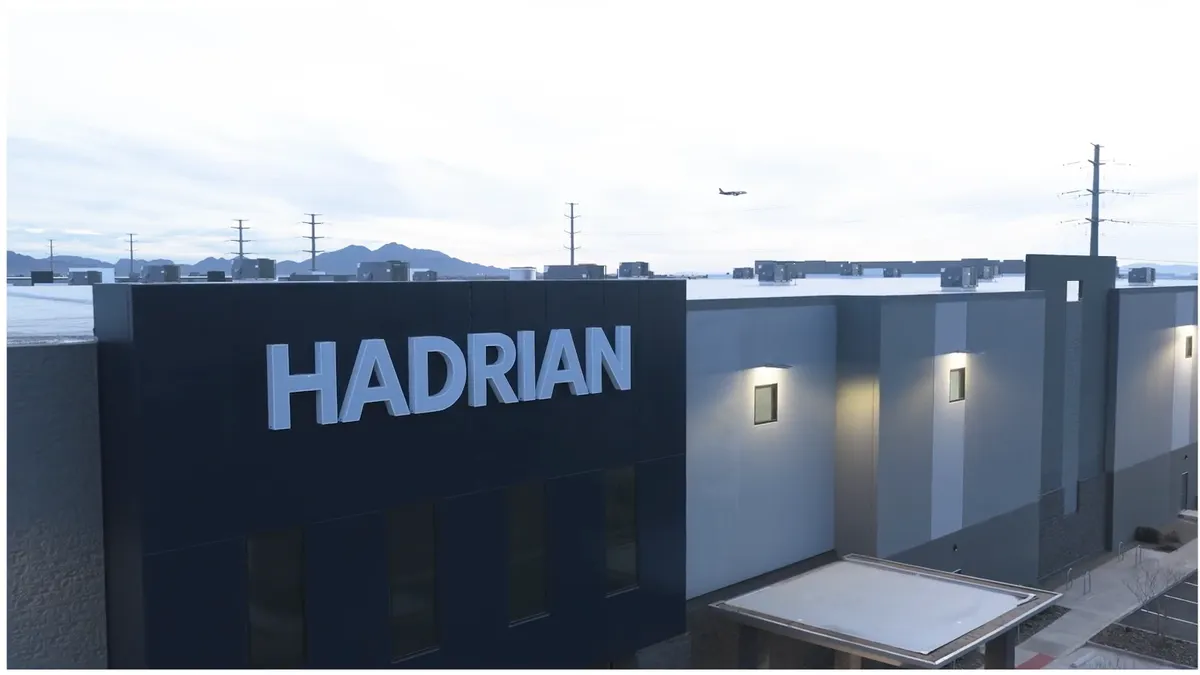
Hadrian opened a $200 million factory in Mesa, Arizona and established an additive manufacturing division in January.
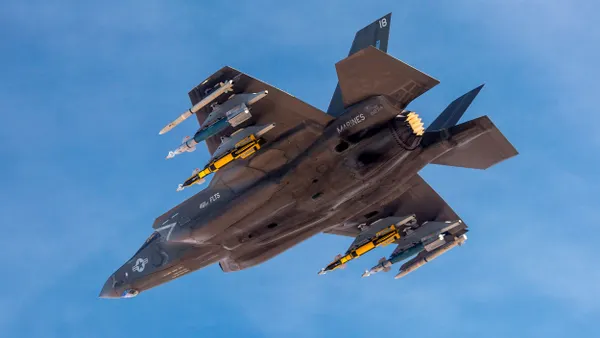
Hadrian’s top focus areas are U.S. munitions production, as well as the submarines and maritime sectors, Power said. The company opened a $2.4 billion facility in Cherokee, Alabama, funded partially by the U.S. Navy, which will focus on its Columbia- and Virginia-class submarine programs.
In March, the U.S. Army awarded Hadrian a contract valued up to $80 million in a bid to expand advanced manufacturing capabilities. The initial phase of the project includes establishing a facility in Texarkana, Texas.
The company also reached an agreement with weapons giant Lockheed Martin, under which Hadrina will deploy its FaaS model at the company’s missiles and fire control site in Grand Prairie, Texas. The deal aims to increase the production rate of parts for weapon systems such as the Patriot Advanced Capability-3 Missile Segment Enhancement system and Terminal High Altitude Area Defense interceptors.
Hadrian will also collaborate with space startup Fortastra on developing a cost-effective additive manufacturing process to accelerate production, Space News reported July 29.
The funding comes as the U.S. forces face a reported weapons shortage amid the Iran war. President Donald Trump denied the shortage in a Truth Social post Thursday, saying that defense manufacturers are building new factories to help address supply needs. Trump also said he will prosecute people leaking the information.
The administration has been threatening federal workers about leaking information to the media. Defense Secretary Pete Hegseth announced in a July 13 post on X that the agency and the Department of Justice had formed a joint task force to identify and prosecute federal workers leaking information to the media that he claims is sensitive information that could harm the U.S. military service members.